Organization modeling
Build a flexible, continuous workforce planning capability that adapts to your data, maturity, planning approach and business goals.
Trusted by global enterprises







Model your organization your way
Change is constant. The real question is whether you are driving it or reacting to it. With Orgvue, you can model your organization at the level that makes sense for you, from traditional position level design to whole functions. That flexibility is what sets Orgvue apart, giving you the power to test scenarios, compare options and redesign the future of your business with both speed and precision.
Want to know more?
When you need detail
Position level modeling
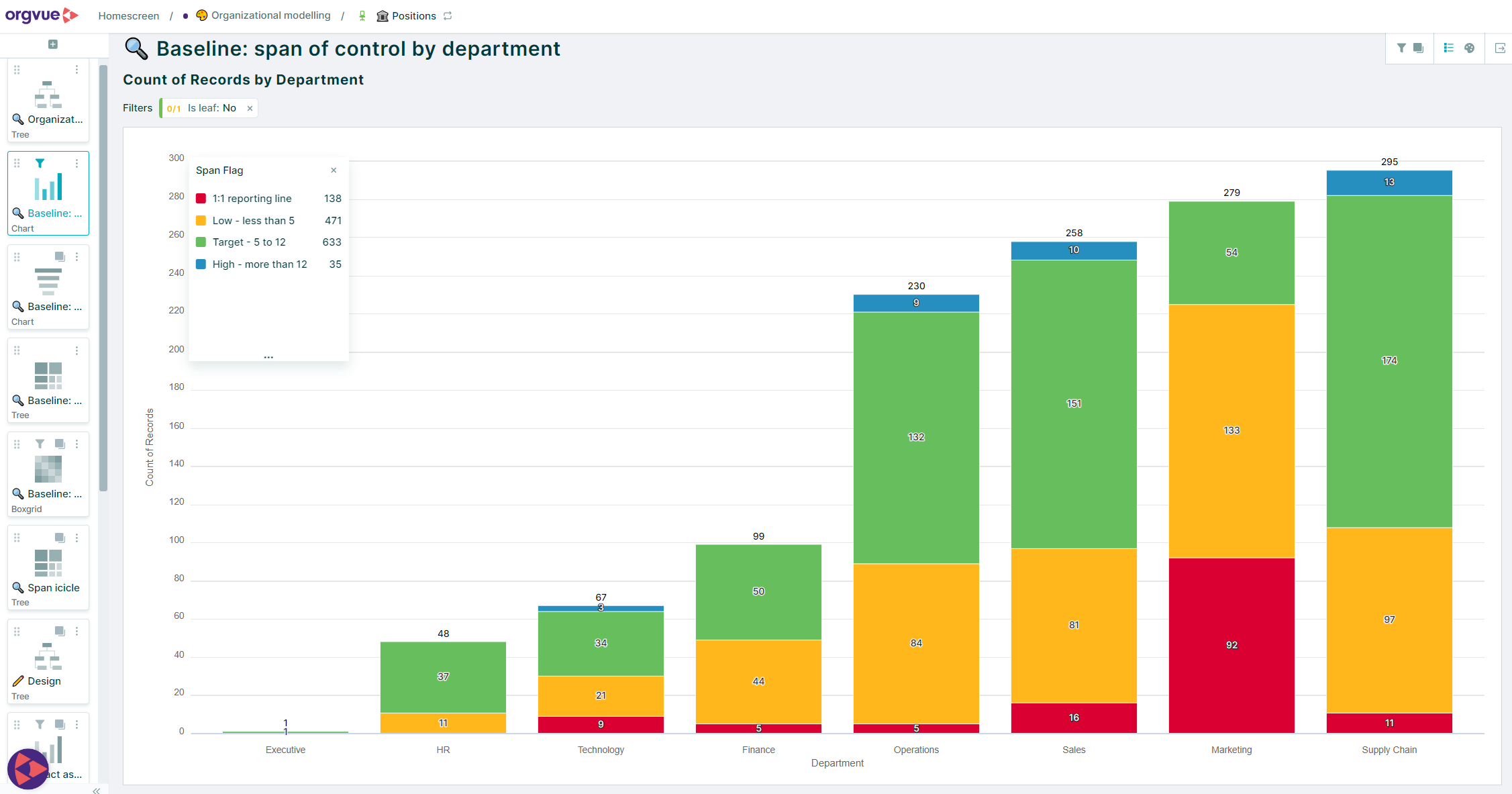
When accuracy matters, Orgvue takes you down to the position level, where every reporting line, role and cost is captured. You get the full picture of how your business really works and the ability to test future designs at the most granular level.
This allows you to:
- Uncover hidden layers, spans and inefficiencies
- Test scenarios down to individual positions
- See the real cost and impact of every decision

When you need speed and scale
High level modeling
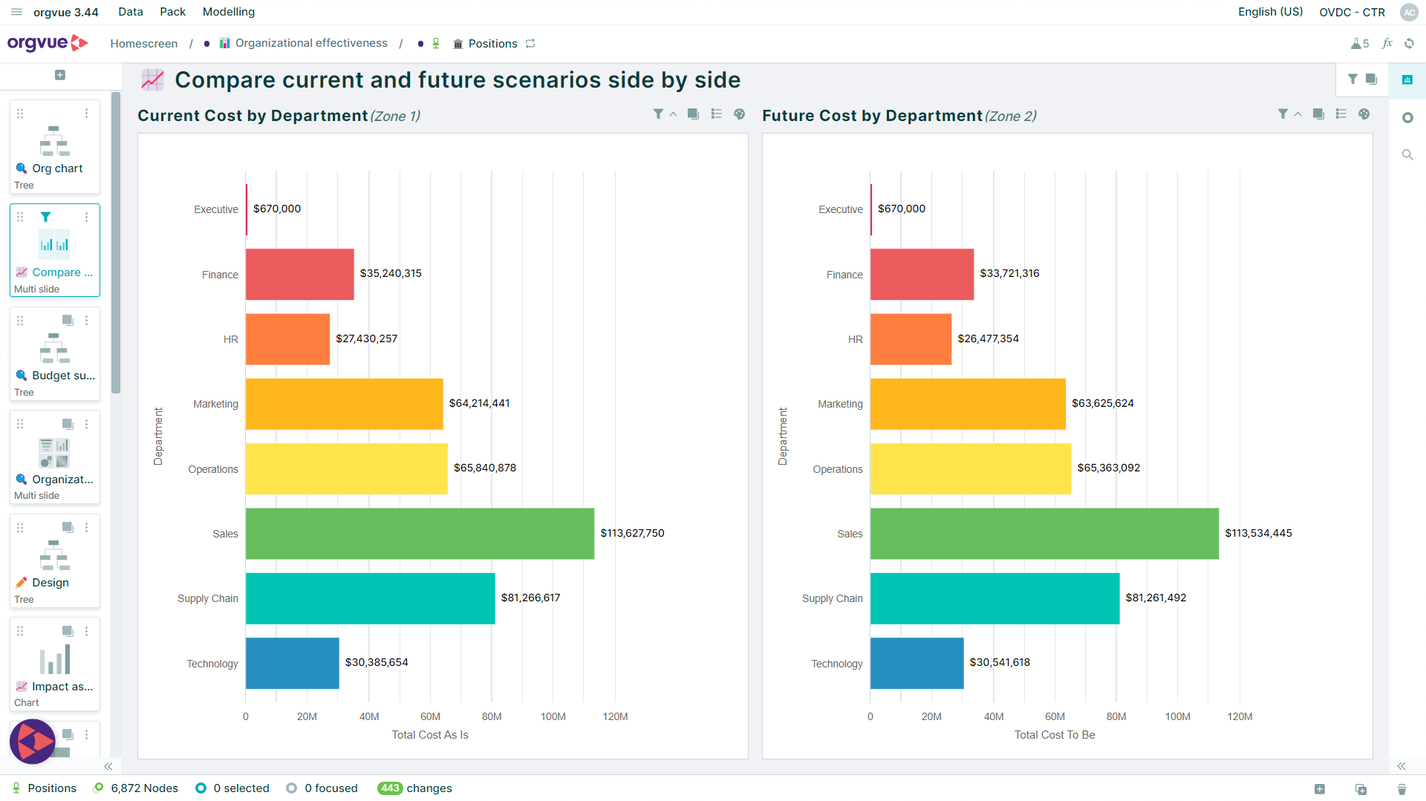
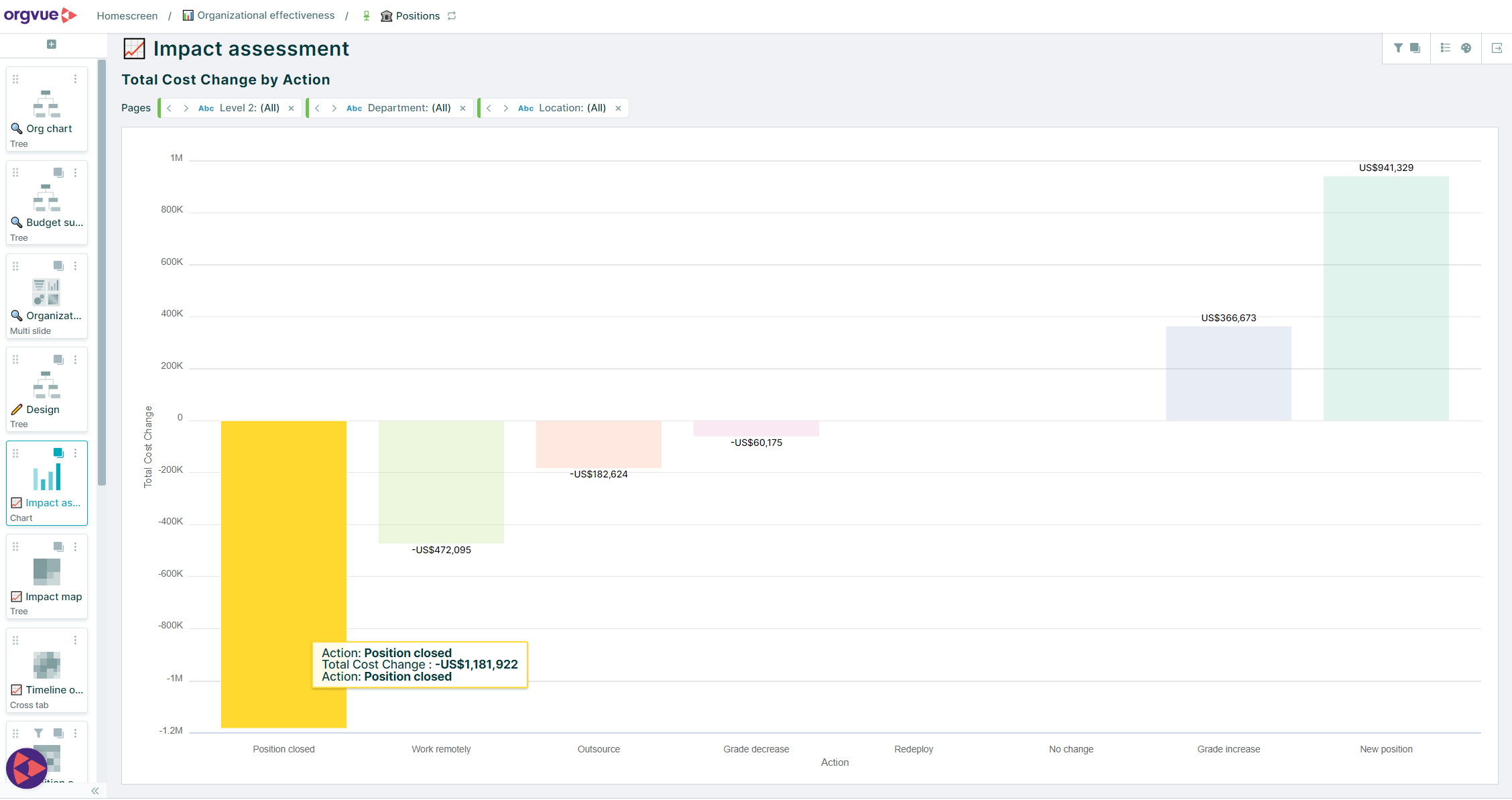
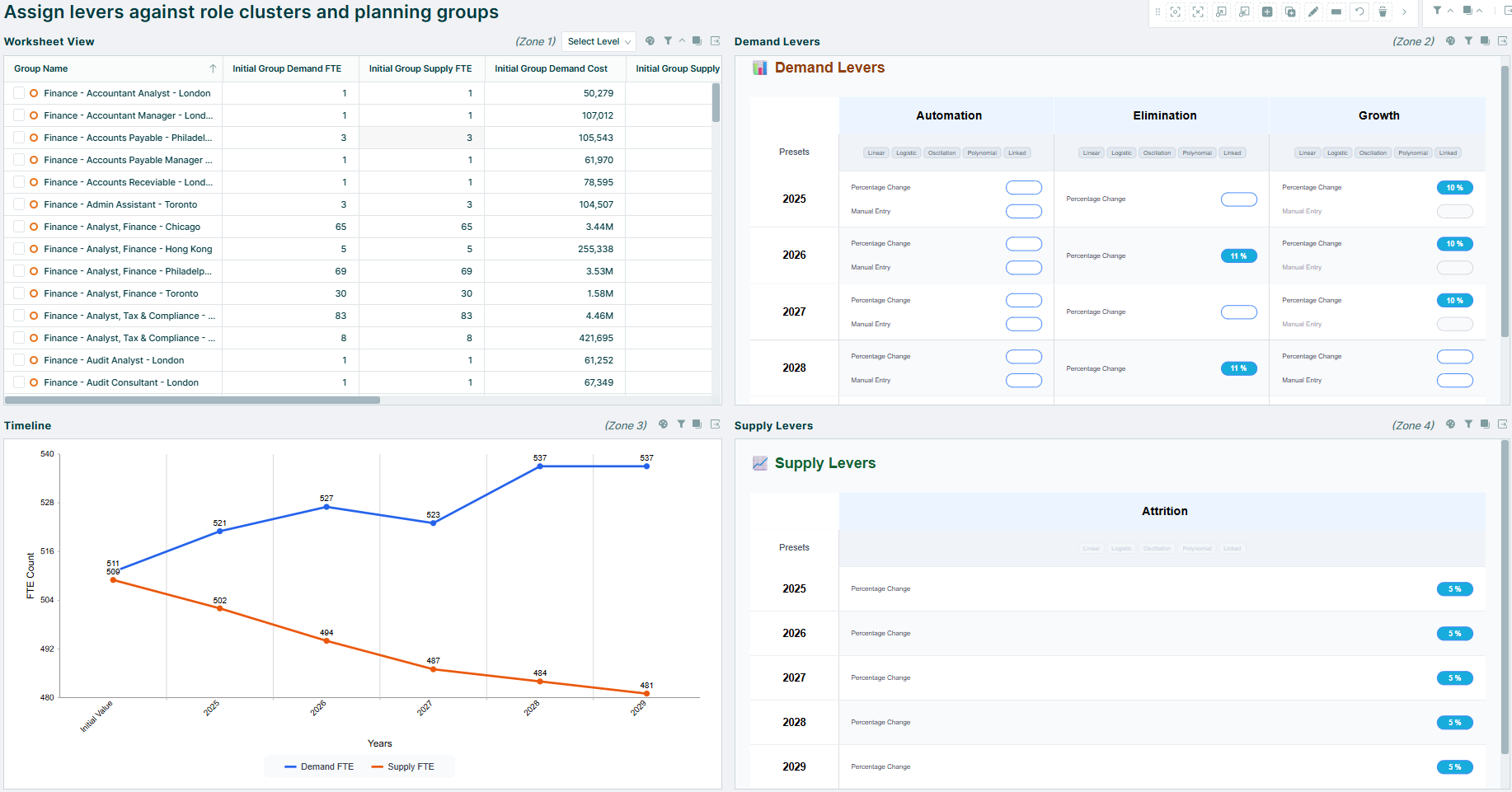
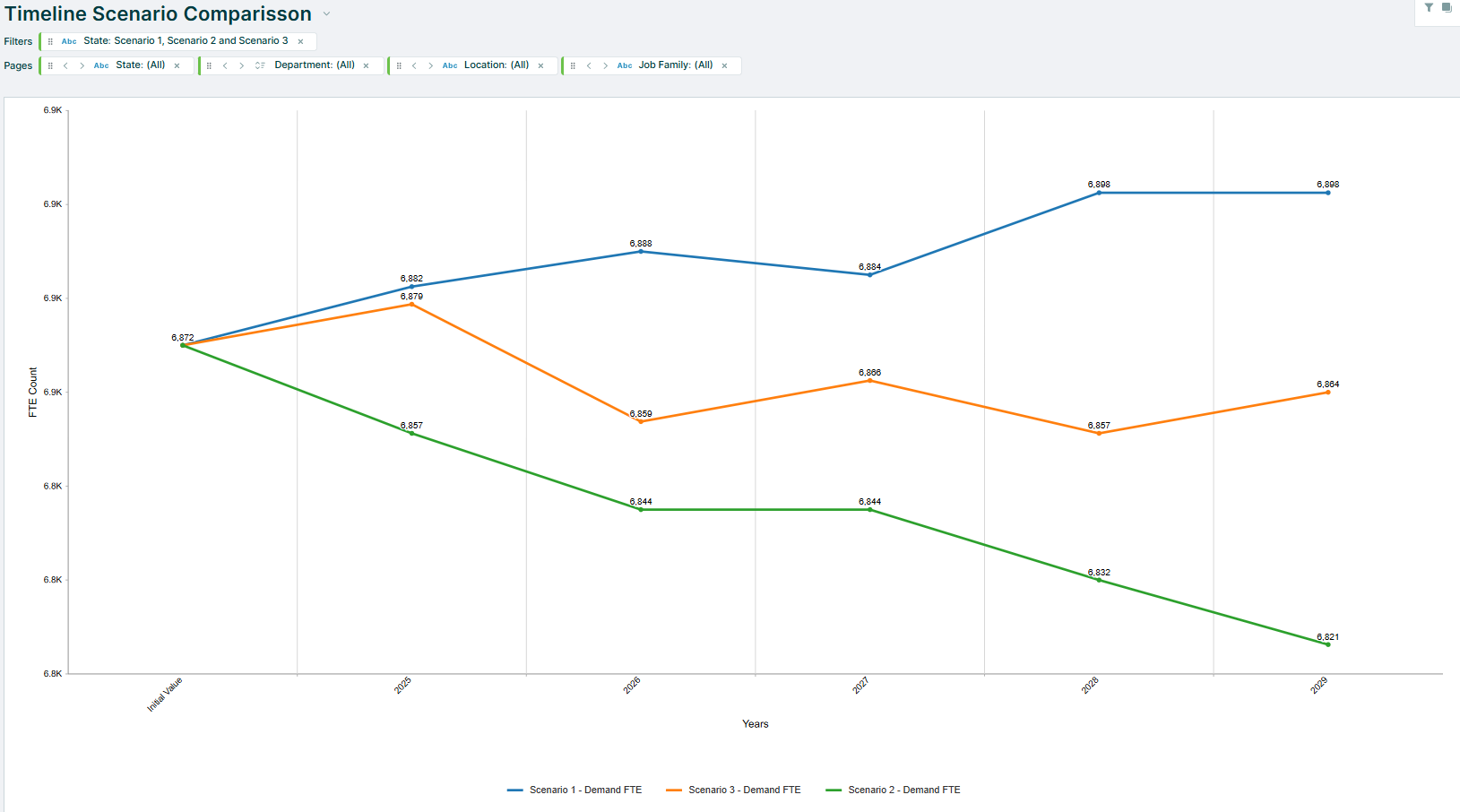
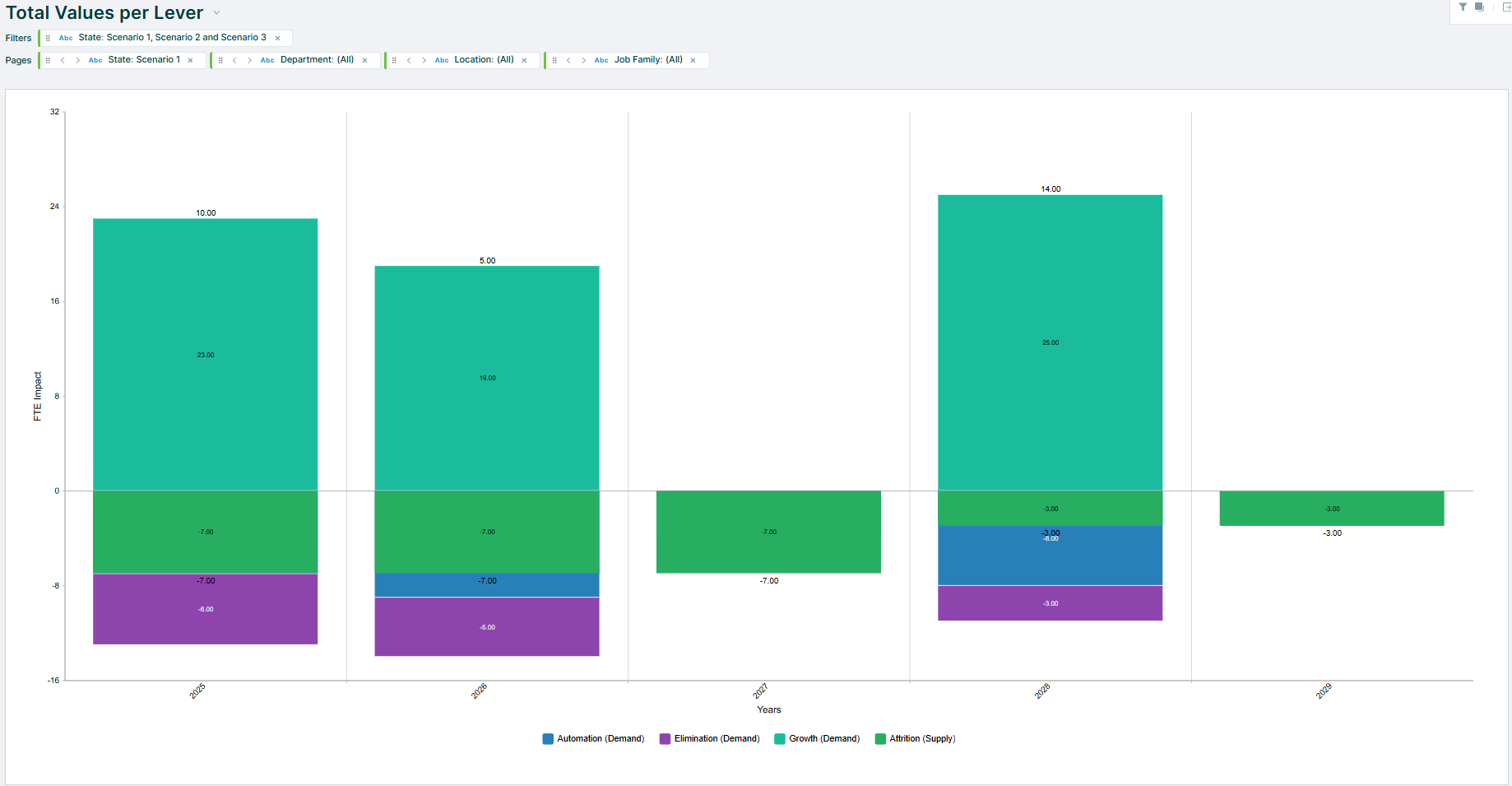
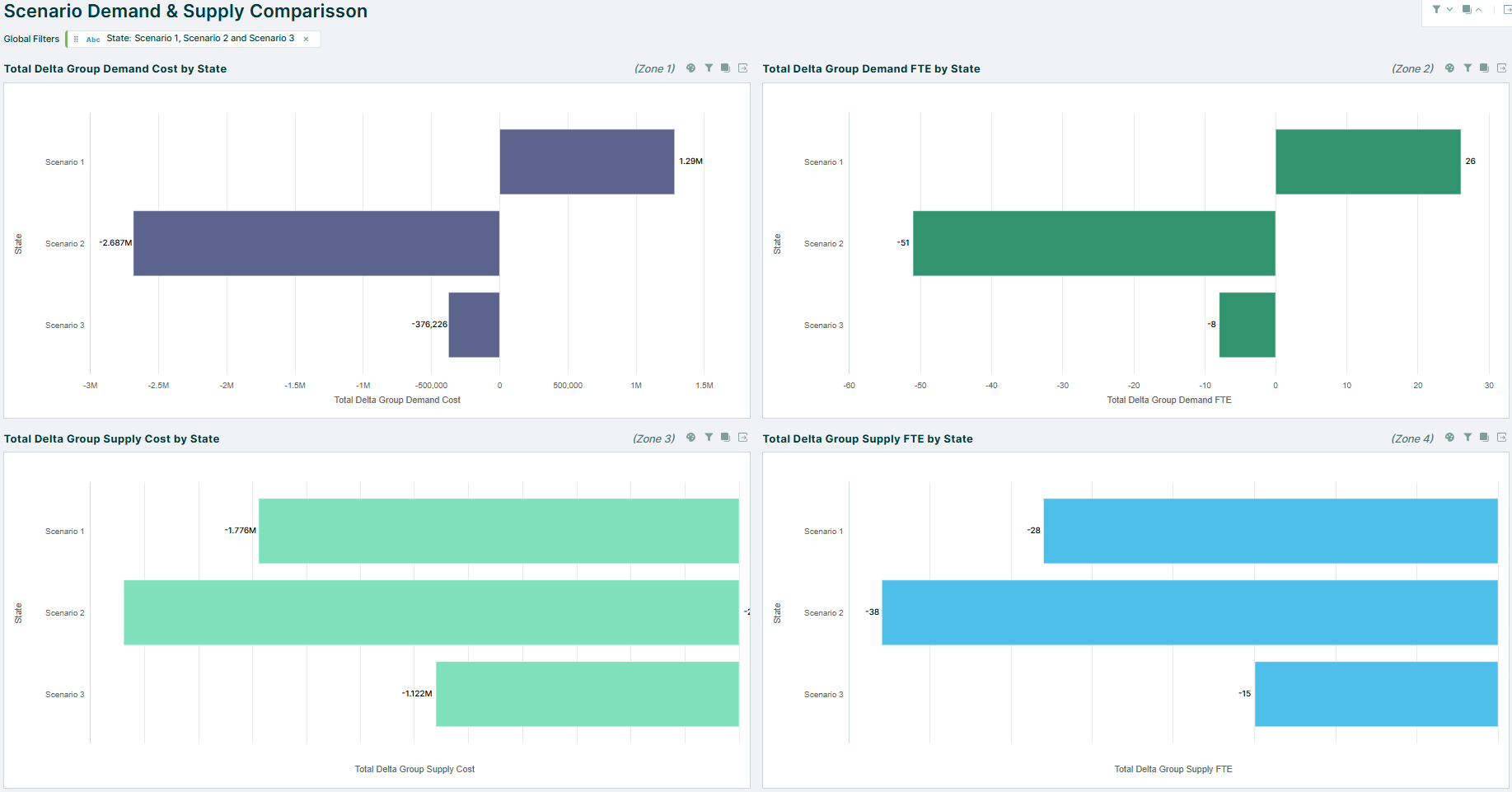
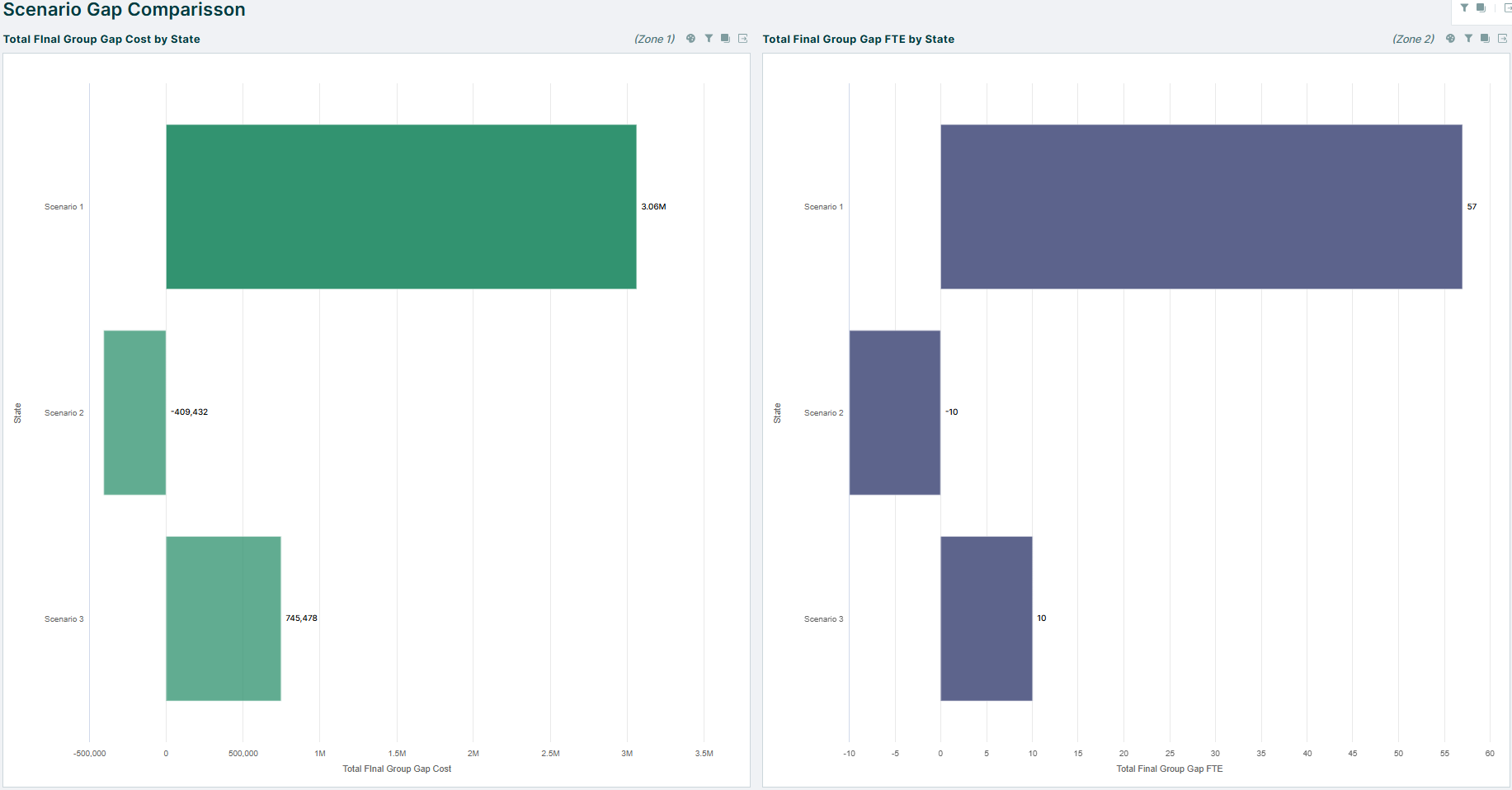
Other times, detail just slows you down. High Level Modeling lets you work at scale by grouping people into functions, job families or grades. In minutes, you can design and compare multiple scenarios, exploring how best to shift your workforce or business without needing full position data.
- Explore scenarios across whole functions or role types
- Compare different structures without detailed inputs
- Plan faster and smarter when you need to move at pace
Customer story
Enabling enterprise-wide transformation using future state modeling
150+
Upskilled OD practitioners
6
Global workstreams managed simultaneously in Orgvue
170
Countries impacted by new operating model

We finally found a data-driven platform made to handle heavy and complex data, and with strong org design and modeling capabilities. This was exactly what we needed.
Head of Transformation
Business goal
- To shift from the old operating model to a new way of approaching the market
- Redesign the support functions to align to the new operating model.
- Include the development of in-house capability to allow sustained continuation of new operating model.
Solution
- Designed a multi-stage business-wide approach that is repeatable and scalable.
- Upskilled 150+ HR and business partners, for a decentralized and sustainable program
- Developed a standardized data architecture, modeling environment and reporting suite.
Why Orgvue
Most tools look back. Orgvue looks forward.
Orgvue does not just give you a snapshot of today, it gives you the ability to design tomorrow. By bringing together people, cost and structure data in one platform, Orgvue turns complexity into clarity and gives you control over change.
See the whole system
Connect your workforce, structure and cost data in one place.
Design with flexibility
Move seamlessly between detail and scale.
Plan with confidence
Test scenarios, compare outcomes, and choose the best path.
Deliver real change
Turn organizational models into measurable results.
Ready to see Orgvue in action?
In a personalized demo session, discover how Orgvue can help you:
- Understand workforce impacts before restructuring
- Compare multiple operating model scenarios
- Find critical skill gaps across the organization
- Align workforce plans to business strategy
- Accelerate AI workforce transformation
Trusted by global enterprises
“Orgvue’s automated role-clustering capability will save a huge amount of time in surfacing opportunities for organizational redesign, workforce planning, and cost reduction. What we’ve seen so far is truly game changing for design work.”
Stacy Anderson, Salesforce
Get your personalized demo
30-minute discovery call
Demo tailored to you
See our privacy notice. You can unsubscribe from marketing at any time by writing to us at [email protected].
Not ready for a demo? Explore more…



FAQ: Organization modeling
Organizational modeling is the process of creating, testing, and comparing future organizational structures before changes are implemented. It helps leaders evaluate workforce, cost, reporting structures, and organizational design options in a controlled environment before making real-world decisions.
Organizational modeling helps organizations understand the impact of change before it happens. By testing different scenarios in advance, leaders can reduce risk, improve decision-making, align workforce investments with strategy, and increase confidence in transformation outcomes.
Organization design focuses on defining the future structure of the organization, including reporting relationships, roles, and operating models. Organization modeling allows leaders to test and compare different design options, understand their impact, and evaluate outcomes before implementation.
Position-level modeling analyzes organizations at the most granular level, including individual positions, reporting lines, workforce costs, and role structures. This approach provides highly detailed insight into the workforce and enables precise scenario planning for restructuring, workforce planning, and organization design initiatives.
High-level organizational modeling allows leaders to analyze and redesign organizations using broader workforce groupings such as functions, job families, grades, or business units. This approach enables rapid scenario planning when detailed position-level data is unavailable or when speed is a priority.
An organizational model is designed to outline the structure and design of an organization in a way that aligns with its goals, strategies and operational needs. It serves as a blueprint that defines how an organization functions, distributes responsibilities and manages workflows.
By establishing clear roles, reporting hierarchies and communication channels, an organizational model facilitates coordination and collaboration among teams, optimizes resource allocation and enhances efficiency. It also provides a framework for decision-making and problem-solving, enabling the organization to adapt to changes in the market or operational challenges. Ultimately, a well-designed organizational model supports the organization’s mission and vision, driving its success and sustainability.
An organizational business model describes the rationale of how an organization creates, delivers and captures value in economic, social, cultural or other contexts. It encompasses the organization’s value proposition, customer segments, channels for delivering products or services, customer relationships, revenue streams, key resources, key activities, key partnerships and cost structure.
This model is fundamental for understanding how the company operates, competes in the market and achieves profitability. It guides strategic planning and decision-making, helping leaders identify opportunities for growth, innovation and competitive advantage. An effective business model not only articulates the way an organization works internally but also how it interacts with customers, partners and other external entities.
Organizational modeling helps leaders understand the workforce, cost, skills, and structural implications of proposed changes before implementation. It allows organizations to compare scenarios, evaluate trade-offs, reduce transformation risk, and select the most effective path to achieving business objectives.
Orgvue brings together workforce, organizational, and cost data into a single platform where leaders can model future scenarios, compare operating models, evaluate workforce impacts, and visualize organizational change. Organizations can move seamlessly between high-level and position-level modeling to support planning and transformation at any scale.